Process Integration
Processes in automation systems ensure quality, productivity and competitiveness
Process
control
Smooth and precise execution of all production steps
Flexibility
Quick adaptations to changing requirements and product variants
Quality
management
Guarantee of compliance with high standards
Process Integration
Processes in automation systems ensure quality, productivity and competitiveness
Process
control
Smooth and precise execution of all production steps
Flexibility
Quick adaptations to changing requirements and product variants
Quality
management
Guarantee of compliance with high standards
Intelligent processes in production
Automated systems are at the heart of modern production and manufacturing environments. They enable companies to control even complex processes efficiently, precisely, and reliably. Through the targeted use of automation, production steps can be optimally coordinated—from material feeding and processing to quality control and packaging. This results in high-performance systems that ensure consistently high product quality and maximum cost-effectiveness.
Every process is possible – customized automation for every requirement!
In a typical automation system—depending on its size, complexity, and industry—there are usually between 5 and 20 main processes that cover the entire workflow, from material supply to shipment. These main processes can, in turn, be subdivided into numerous subprocesses, so that in large facilities, a total of 30 to 100 different individual processes are often implemented.
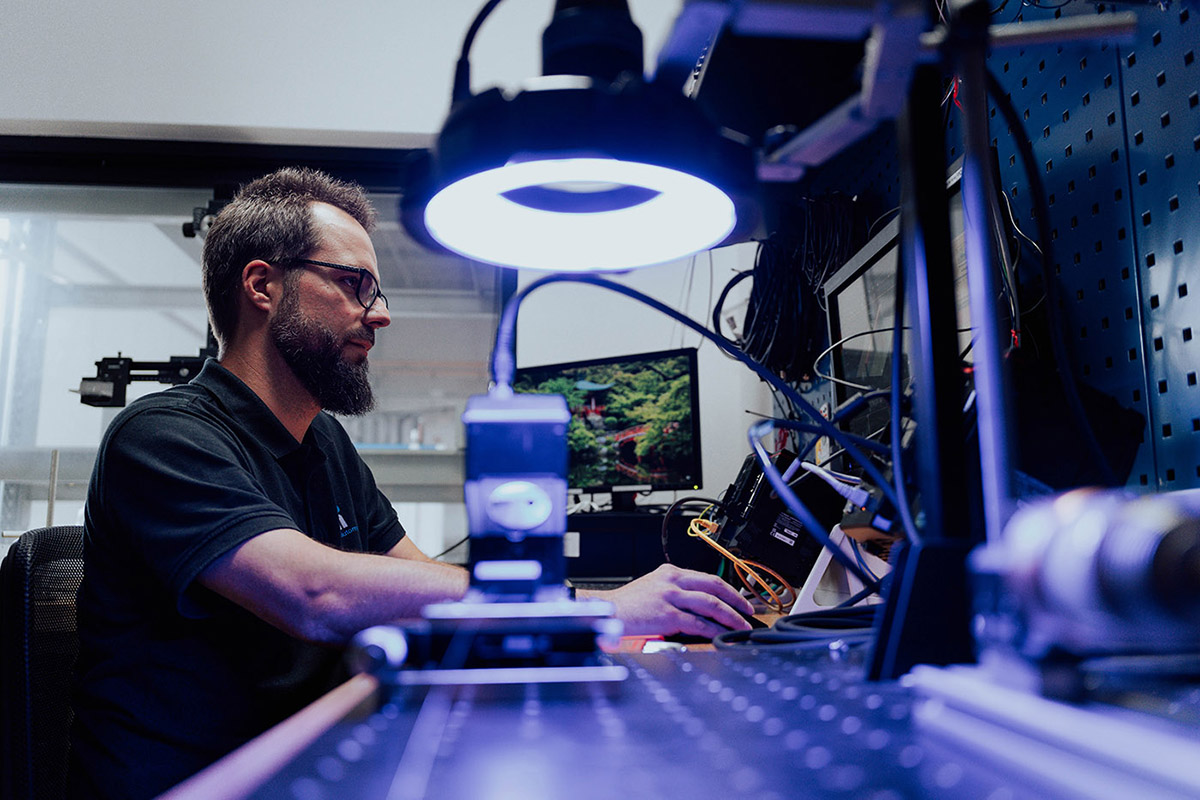
Any process is possible—customized automation for every need!
In a typical automation system—depending on its size, complexity, and industry—there are usually between 5 and 20 main processes that cover the entire workflow, from material supply to shipment. These main processes can, in turn, be subdivided into numerous subprocesses, so that in large facilities, a total of 30 to 100 different individual processes are often implemented.